Can a Cable Piercing Connector be used for avionics cables?
As a leading supplier of cable piercing connectors, I often encounter inquiries from clients across various industries regarding the suitability of our products for specific applications. One question that has gained significant traction recently is whether cable piercing connectors can be used for avionics cables. In this blog post, I aim to delve into this topic, exploring the technical aspects, potential challenges, and benefits associated with using cable piercing connectors in avionic systems.
Avionics refers to the electronic systems used on aircraft, including navigation, communication, and flight control systems. These systems are critical to the safety and performance of the aircraft, and as such, the components used in avionics must meet rigorous standards and requirements. Cables in avionic systems are no exception, as they need to provide reliable electrical connections while withstanding harsh environmental conditions such as high temperature, vibration, and electromagnetic interference (EMI).
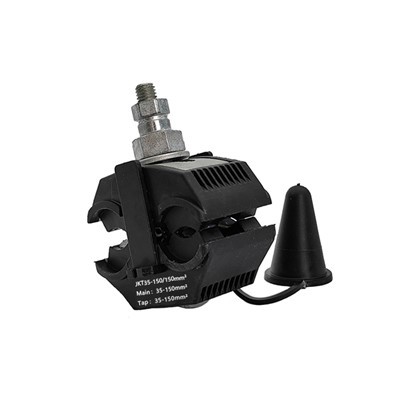
Cable piercing connectors, also known as insulation piercing connectors, are designed to make electrical connections without the need to strip the insulation from the cable. This feature offers several advantages, including ease of installation, reduced labor time, and the ability to make connections in tight spaces. When a cable piercing connector is applied, the sharp teeth of the connector pierce through the insulation and make contact with the conductor, creating a secure electrical connection.
One of the primary considerations when evaluating the use of cable piercing connectors in avionics is the electrical performance. Avionic systems require high - quality electrical connections to ensure accurate signal transmission and reliable power distribution. Cable piercing connectors must be able to provide low resistance connections to minimize power loss and signal degradation. Our Ipc Cable Connector is engineered to offer excellent electrical conductivity, with precision - made teeth that ensure a firm and consistent contact with the cable conductor.
Another critical aspect is the mechanical reliability of the connection. Avionic cables are subject to significant mechanical stress during flight, including vibrations, shocks, and flexing. The cable piercing connector must be able to maintain a stable connection under these conditions to prevent intermittent electrical contacts, which could lead to system failures. Our No - Stripping Piercing Connector is designed with a robust housing and a secure locking mechanism to withstand mechanical stress, ensuring a long - lasting and reliable connection.
In addition to electrical and mechanical performance, avionic systems are also highly sensitive to electromagnetic interference. EMI can disrupt the operation of avionic equipment, leading to communication errors, navigation inaccuracies, and other safety - critical issues. Cable piercing connectors need to have good shielding properties to minimize EMI. Our Insulation Piercing Tap Splice Connectors are designed with advanced shielding materials and techniques to reduce the impact of EMI on the electrical signals transmitted through the cables.
However, there are also some challenges associated with using cable piercing connectors in avionics. One of the main concerns is the potential for damage to the cable conductor during the piercing process. If the teeth of the connector are too sharp or if the installation is not carried out correctly, the conductor could be damaged, which may weaken the cable and reduce its electrical performance. To address this issue, our connectors are designed with carefully calibrated teeth to ensure that they pierce the insulation without causing excessive damage to the conductor. Additionally, we provide detailed installation instructions and training to our customers to ensure proper installation.
Another challenge is the compatibility of the connector with the specific cable types used in avionic systems. Avionic cables come in a variety of materials, sizes, and insulation types, and the connector must be compatible with these factors to ensure a proper fit and a reliable connection. Our product range includes a wide variety of cable piercing connectors that are designed to be compatible with different cable specifications. We can also work closely with our customers to develop customized solutions to meet their specific requirements.
Despite these challenges, the use of cable piercing connectors in avionics can offer several benefits. Firstly, the ease of installation can significantly reduce the time and cost associated with cable installation and maintenance in aircraft. This is particularly important in the aviation industry, where downtime can be extremely costly. Secondly, the ability to make connections without stripping the insulation can reduce the risk of contamination and damage to the cable during installation, which is crucial for maintaining the integrity of the avionic systems.
In conclusion, while there are some challenges to consider, cable piercing connectors can be a viable option for use in avionics cables. Our company, as a professional cable piercing connector supplier, is committed to providing high - quality products that meet the strict requirements of the avionics industry. We have the technical expertise and experience to develop and supply connectors that offer excellent electrical performance, mechanical reliability, and EMI shielding.
If you are interested in exploring the use of cable piercing connectors for your avionics applications, we welcome you to contact us for further discussion and to initiate a procurement negotiation. Our team of experts is ready to assist you in finding the most suitable solutions for your specific needs.
References


- "Handbook of Avionic Systems", John Wiley & Sons
- "Electrical Connectors: Theory and Design", McGraw - Hill