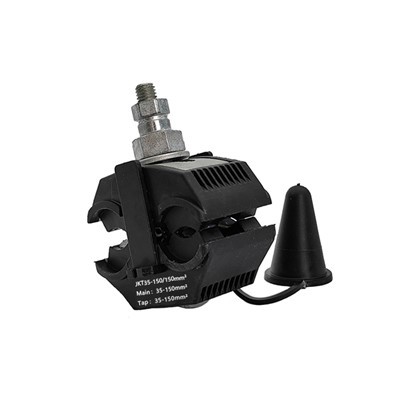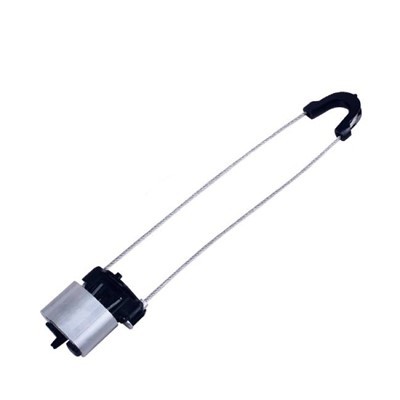

In the ever - evolving landscape of renewable energy, wind power systems have emerged as a cornerstone of sustainable electricity generation. As a supplier of insulation piercing clamps, a product often overlooked in mainstream discussions about wind power components, I am eager to explore the question: Can insulation piercing clamps be used in wind power systems?
The Basics of Wind Power Systems
Wind power systems are designed to convert the kinetic energy of the wind into electrical energy. They primarily consist of wind turbines, which have blades, a nacelle (containing the gearbox, generator, and control systems), a tower, and a power collection and transmission network. The energy generated at the turbine is typically in the form of alternating current (AC), and it needs to be collected, stepped up in voltage, and then transmitted to the grid.
One of the most critical aspects of these systems is the electrical connection network. Reliable and efficient connections are essential to ensure that the power generated by the turbines reaches the grid with minimal losses. Any inefficiencies or failures in the electrical connections can lead to significant power losses, reduced overall system performance, and potentially costly maintenance and downtime.
What are Insulation Piercing Clamps?
Insulation piercing clamps are electrical connectors that are designed to make a connection to a conductor without having to remove the insulation first. They work by piercing through the insulation of the cable and establishing an electrical connection with the conductor inside. This type of connector offers several advantages, including ease of installation, reduced labor time, and the ability to make connections in tight spaces.
There are different types of insulation piercing clamps available in the market, each with its own specific features and applications. For example, Insulation Piercing Tap Connectors are commonly used to tap into a main power cable to provide power to a secondary circuit. No - Stripping Piercing Connector eliminate the need for stripping the cable insulation, which simplifies the installation process even further. Piercing Wire Connector are used for connecting wires together in a quick and efficient manner.
Suitability of Insulation Piercing Clamps in Wind Power Systems
Advantages
- Ease of Installation: In a wind farm, there are often hundreds of electrical connections that need to be made, both within the turbines and in the power collection and transmission network. The ease of installation of insulation piercing clamps can significantly reduce the installation time and labor costs. Workers can quickly make connections without having to spend time on stripping the cable insulation, which is particularly beneficial in the often - harsh and remote locations where wind farms are typically built.
- Reliability: Modern insulation piercing clamps are designed to provide a reliable electrical connection over a long period. They are made from high - quality materials that can withstand the environmental conditions typically found in wind power systems, such as high winds, temperature variations, and humidity. Once installed, they maintain a stable electrical connection, which is crucial for the consistent operation of the wind power system.
- Flexibility: Insulation piercing clamps can be used in a variety of applications within a wind power system. They can be used for connecting power cables, control cables, and communication cables. This flexibility makes them a versatile solution for the complex electrical network in a wind farm.
- Cost - effectiveness: The combination of reduced installation time, lower labor costs, and the long - term reliability of insulation piercing clamps makes them a cost - effective solution for wind power systems. Compared to traditional connection methods, which may require more complex installation procedures and additional materials, insulation piercing clamps can provide significant savings over the life of the wind power system.
Challenges
- Environmental Conditions: Although insulation piercing clamps are designed to withstand certain environmental conditions, the extreme conditions in wind power systems can pose challenges. For example, the high - speed winds can cause vibrations, which may affect the tightness of the connection over time. Additionally, exposure to UV radiation, salt spray in offshore wind farms, and extreme temperature variations can potentially degrade the materials of the clamp.
- Electrical Performance: In wind power systems, high - quality electrical performance is crucial. The insulation piercing clamps need to have low contact resistance to minimize power losses and prevent overheating. Any issues with the electrical performance of the clamps can lead to reduced efficiency and potential damage to other components in the system.
- Compliance with Standards: Wind power systems are subject to strict safety and performance standards. Insulation piercing clamps used in these systems need to comply with relevant international and national standards to ensure the safety and reliability of the entire system.
Case Studies and Real - World Applications
There have been several successful applications of insulation piercing clamps in wind power systems. In some onshore wind farms, insulation piercing clamps have been used for connecting control cables within the turbines. This has allowed for faster installation times and easier maintenance, as technicians can quickly access and replace the clamps if needed.
In offshore wind farms, where the installation and maintenance are even more challenging, insulation piercing clamps have also shown promise. Their ability to make connections without the need for extensive cable stripping has been particularly useful in the wet and often - cramped conditions on offshore platforms. However, these installations also require additional protective measures to ensure the long - term performance of the clamps in the harsh marine environment.
Recommendations for Using Insulation Piercing Clamps in Wind Power Systems
- Select the Right Clamp: Not all insulation piercing clamps are suitable for wind power systems. It is important to select clamps that are specifically designed for the environmental conditions and electrical requirements of the wind farm. Consider factors such as the cable size, voltage rating, and the expected temperature and humidity range.
- Proper Installation: Follow the manufacturer's installation instructions carefully. Ensure that the clamps are installed correctly to achieve a proper electrical connection and to prevent any potential issues due to improper installation, such as loose connections or damage to the cable.
- Regular Maintenance: Establish a regular maintenance schedule to inspect the insulation piercing clamps. Check for any signs of wear, corrosion, or loose connections. Replace any clamps that show signs of damage or deterioration.
Conclusion
In conclusion, insulation piercing clamps can indeed be used in wind power systems. They offer several advantages in terms of ease of installation, reliability, flexibility, and cost - effectiveness. However, they also face challenges related to environmental conditions, electrical performance, and compliance with standards. By selecting the right clamps, ensuring proper installation, and conducting regular maintenance, insulation piercing clamps can be a valuable addition to the electrical connection network in wind power systems.


If you are involved in the design, construction, or maintenance of wind power systems and are interested in exploring the use of insulation piercing clamps, I encourage you to contact me for further information and to discuss your specific requirements. We can provide you with high - quality insulation piercing clamps that are suitable for your wind power project and offer technical support throughout the process.
References
- "Wind Energy Handbook" by Tony Burton, David Sharpe, Nick Jenkins, and Ervin Bossanyi
- Industry standards and specifications related to insulation piercing clamps and wind power systems