
Can Wedge Strain Clamps be used for different cable diameters?
As a supplier of Wedge Strain Clamps, I often encounter inquiries from customers regarding the compatibility of these clamps with different cable diameters. This is a crucial question, as the proper selection of cable clamps is essential for ensuring the safety and efficiency of electrical and communication systems. In this blog post, I will delve into the topic of whether Wedge Strain Clamps can be used for different cable diameters, exploring the factors that influence their compatibility and providing practical insights for customers.
Understanding Wedge Strain Clamps
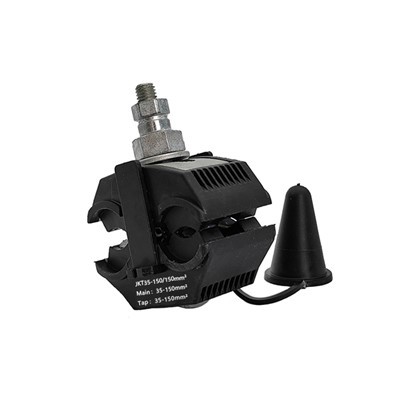
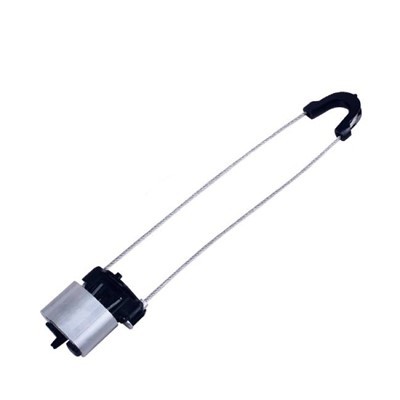
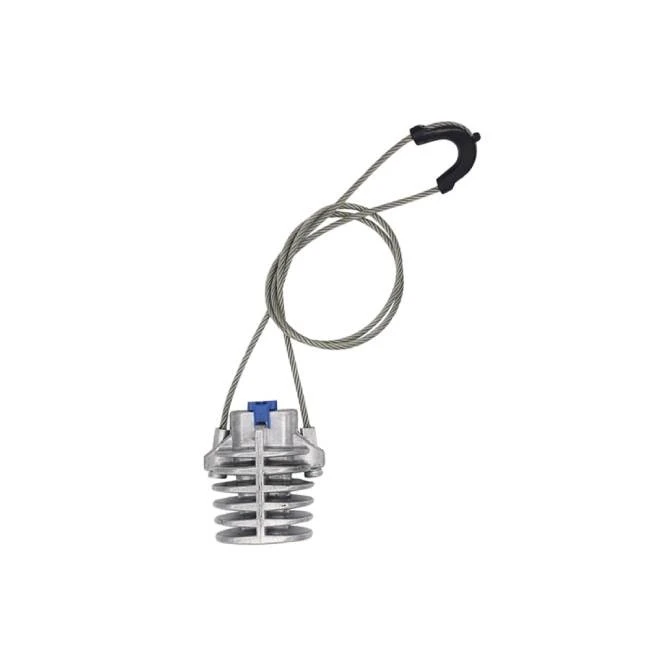
Wedge Strain Clamps are widely used in overhead power lines, communication networks, and other applications to secure cables and transmit mechanical loads. They consist of a wedge-shaped body and a clamping mechanism that grips the cable tightly, preventing it from slipping or moving under tension. The design of Wedge Strain Clamps allows for easy installation and removal, making them a popular choice for both permanent and temporary cable installations.
One of the key advantages of Wedge Strain Clamps is their ability to accommodate a certain range of cable diameters. This flexibility is achieved through the use of adjustable wedges or multiple clamping positions, which can be adjusted to fit different cable sizes. However, it is important to note that the range of cable diameters that a Wedge Strain Clamp can accommodate is limited, and exceeding this range can compromise the performance and safety of the clamp.
Factors Affecting Compatibility
Several factors influence the compatibility of Wedge Strain Clamps with different cable diameters. These factors include:
- Clamp Design: The design of the Wedge Strain Clamp plays a crucial role in determining its compatibility with different cable diameters. Clamps with adjustable wedges or multiple clamping positions are generally more versatile and can accommodate a wider range of cable sizes. On the other hand, clamps with fixed wedges or a single clamping position may have a more limited range of compatibility.
- Cable Material and Construction: The material and construction of the cable also affect its compatibility with Wedge Strain Clamps. Different cable materials, such as copper, aluminum, and fiber optic, have different physical properties, such as hardness, flexibility, and tensile strength. These properties can influence the way the cable interacts with the clamp and may require different clamping forces or techniques to ensure a secure connection.
- Clamping Force: The clamping force of the Wedge Strain Clamp is another important factor to consider. The clamping force should be sufficient to grip the cable tightly without causing damage to the cable or the clamp. However, excessive clamping force can also lead to cable deformation, insulation damage, or premature failure of the clamp. Therefore, it is important to select a clamp with the appropriate clamping force for the cable diameter and application.
- Environmental Conditions: The environmental conditions in which the cable and clamp will be installed can also affect their compatibility. Factors such as temperature, humidity, corrosion, and vibration can all have an impact on the performance and lifespan of the clamp. For example, in high-temperature environments, the clamping force of the clamp may decrease, while in corrosive environments, the clamp may be more prone to rust and degradation.
Compatibility Ranges
Most Wedge Strain Clamps are designed to accommodate a specific range of cable diameters, which is typically specified by the manufacturer. This range is based on the design of the clamp, the clamping force, and the expected application conditions. It is important to select a clamp that is compatible with the cable diameter to ensure a secure and reliable connection.
When selecting a Wedge Strain Clamp, it is recommended to refer to the manufacturer's specifications and guidelines to determine the compatibility range. The manufacturer may provide a table or chart that lists the recommended cable diameters for each clamp size, as well as any special requirements or considerations. In addition, it is also a good idea to consult with a qualified engineer or technician to ensure that the clamp is suitable for the specific application.

Practical Considerations
In addition to the technical factors, there are also some practical considerations to keep in mind when using Wedge Strain Clamps for different cable diameters. These considerations include:
- Installation: Proper installation is crucial for ensuring the performance and safety of the Wedge Strain Clamp. The clamp should be installed according to the manufacturer's instructions, using the appropriate tools and techniques. It is important to ensure that the clamp is properly aligned with the cable and that the clamping force is evenly distributed.
- Inspection and Maintenance: Regular inspection and maintenance of the Wedge Strain Clamp are essential for detecting any signs of wear, damage, or corrosion. The clamp should be inspected periodically to ensure that it is still securely attached to the cable and that there are no signs of looseness or movement. Any damaged or worn components should be replaced immediately to prevent further damage or failure.
- Testing: Before installing the cable and clamp, it is recommended to perform a test to ensure that the clamp is compatible with the cable diameter and that the clamping force is sufficient. This can be done by using a cable tension tester or by applying a known load to the cable and measuring the clamping force. Testing can help to identify any potential issues or problems before they cause a failure or safety hazard.
Other Types of Cable Clamps
In addition to Wedge Strain Clamps, there are several other types of cable clamps available on the market, each with its own advantages and disadvantages. Some of the most common types of cable clamps include:
- Bolted Type Tension Clamp: Bolted Type Tension Clamps are similar to Wedge Strain Clamps in that they are used to secure cables and transmit mechanical loads. However, instead of using a wedge-shaped body, Bolted Type Tension Clamps use bolts or screws to apply the clamping force. These clamps are typically more rigid and may be more suitable for applications where a high clamping force is required.
- Industrial Cable Anchor Clamp: Industrial Cable Anchor Clamps are designed to anchor cables to a structure or support. They are typically used in applications where the cable needs to be secured in a fixed position, such as in overhead power lines or communication towers. These clamps are usually made of heavy-duty materials and are designed to withstand high loads and harsh environmental conditions.
- Aluminum Dead End Clamp: Aluminum Dead End Clamps are used to terminate cables at the end of a line or at a support structure. They are typically made of aluminum alloy and are designed to provide a secure and reliable connection between the cable and the structure. These clamps are commonly used in overhead power lines, distribution networks, and other electrical applications.
Conclusion
In conclusion, Wedge Strain Clamps can be used for different cable diameters, but it is important to select a clamp that is compatible with the cable diameter and application. The compatibility of the clamp depends on several factors, including the clamp design, cable material and construction, clamping force, and environmental conditions. It is recommended to refer to the manufacturer's specifications and guidelines and to consult with a qualified engineer or technician to ensure a secure and reliable connection.
If you have any questions or need further information about Wedge Strain Clamps or other cable clamps, please feel free to contact us. We are a leading supplier of high-quality cable clamps and can provide you with the products and expertise you need to ensure the success of your project.
References
- Manufacturer's specifications and guidelines for Wedge Strain Clamps
- Electrical and communication industry standards and codes
- Technical literature and research papers on cable clamping technology