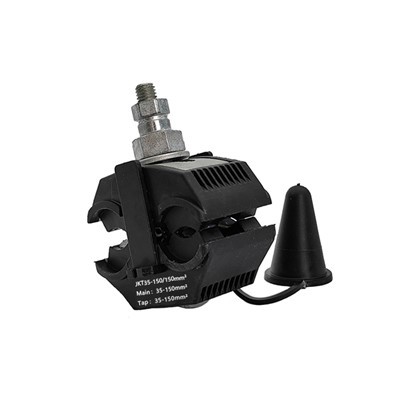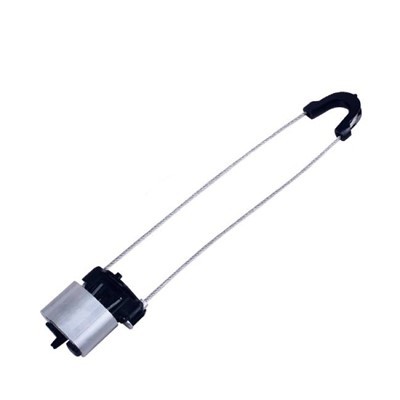

In the field of electrical engineering, the conductivity of components is a fundamental factor that directly impacts the efficiency and safety of electrical systems. Among these components, the Aluminum Dead End Clamp is a crucial part, especially in overhead power lines and other electrical installations. As a dedicated supplier of Aluminum Dead End Clamps, I am often asked whether these clamps have good conductivity. In this blog, I will delve into this question, exploring the factors that affect the conductivity of Aluminum Dead End Clamps, their performance in practical applications, and the measures we take to ensure high - quality conductivity.
Understanding the Basics of Conductivity
Before we discuss the conductivity of Aluminum Dead End Clamps, it's essential to understand what conductivity is. Conductivity is a measure of a material's ability to conduct an electric current. It is the reciprocal of resistivity, and materials with high conductivity allow electrons to flow through them easily. In electrical systems, good conductivity means less energy loss in the form of heat, which leads to more efficient power transmission and reduces the risk of overheating and equipment damage.
Aluminum is a widely used material in electrical applications due to its relatively high conductivity, low cost, and lightweight nature. The conductivity of aluminum is about 61% of that of copper, but considering its lower density and cost, it offers a cost - effective solution for many electrical projects.
Factors Affecting the Conductivity of Aluminum Dead End Clamps
Material Quality
The quality of the aluminum used in the manufacturing of dead - end clamps is of utmost importance. High - purity aluminum generally has better conductivity. Our company sources high - grade aluminum materials, ensuring that the aluminum used in our Aluminum Dead End Clamps has a high level of purity. Impurities in aluminum can disrupt the flow of electrons, increasing resistivity and reducing conductivity. By using high - quality aluminum, we minimize these negative effects and provide clamps with optimal conductivity.
Surface Finish
The surface finish of the Aluminum Dead End Clamp also affects its conductivity. A smooth and clean surface reduces the contact resistance between the clamp and the conductor. During the manufacturing process, we use advanced surface treatment techniques to ensure that the surface of our clamps is free from oxidation, dirt, and other contaminants. Oxidation can form a layer of aluminum oxide on the surface, which has high resistivity and can significantly impede the flow of current. Our surface treatment methods prevent oxidation and maintain a low - resistance contact surface.
Design and Structure
The design and structure of the Aluminum Dead End Clamp play a vital role in its conductivity. A well - designed clamp ensures a tight and uniform contact with the conductor. Our clamps are engineered with precision to provide maximum contact area between the clamp and the conductor. The larger the contact area, the lower the contact resistance, and the better the conductivity. For example, our Bolt Type Dead End Clamp is designed with a unique bolt - tightening mechanism that allows for a secure and even connection with the conductor, enhancing the overall conductivity.
Conductivity Performance in Practical Applications
In real - world electrical systems, the conductivity of Aluminum Dead End Clamps is put to the test. These clamps are used in overhead power lines, substations, and other electrical installations. In overhead power lines, they are responsible for terminating conductors and providing a reliable connection to the supporting structures.
The good conductivity of our Aluminum Dead End Clamps ensures that there is minimal power loss during transmission. This is particularly important in long - distance power lines, where even a small amount of power loss can accumulate over time and result in significant energy waste. In substations, the clamps are used to connect various electrical components, and their high conductivity helps maintain the stability and efficiency of the entire substation system.


Moreover, in areas with high - load electrical demands, such as industrial zones, the ability of the Aluminum Dead End Clamps to conduct electricity efficiently is crucial. Our clamps have been tested and proven to perform well under high - current conditions, ensuring that they can meet the requirements of these demanding applications.
Comparison with Other Types of Clamps
When comparing Aluminum Dead End Clamps with other types of clamps, such as those made of steel or copper, aluminum clamps offer a unique combination of advantages. Steel clamps, for example, have relatively low conductivity compared to aluminum. While steel is strong and durable, its high resistivity makes it less suitable for applications where high conductivity is required.
Copper clamps have higher conductivity than aluminum clamps, but they are also more expensive and heavier. In many cases, the cost - effectiveness and lightweight nature of aluminum make it a more practical choice. Our Aluminum Dead End Clamps provide a balance between conductivity, cost, and weight, making them a popular choice among electrical engineers and contractors.
Ensuring High - Quality Conductivity
As a supplier, we are committed to ensuring that our Aluminum Dead End Clamps have the best possible conductivity. We have a strict quality control system in place. Every clamp undergoes a series of conductivity tests before leaving the factory. These tests measure the resistance of the clamp and ensure that it meets the industry standards.
We also invest in research and development to continuously improve the conductivity of our products. Our team of engineers is constantly exploring new materials and manufacturing techniques to enhance the performance of our Aluminum Dead End Clamps. For example, we are researching the use of new alloying elements to further improve the conductivity of aluminum without sacrificing its other properties.
Related Products and Their Conductivity
In addition to Aluminum Dead End Clamps, we also offer other related products, such as Aluminium Tension Clamp and Conductor Anchoring Clamp. These products are also made of high - quality aluminum and share similar conductivity characteristics.
The Aluminium Tension Clamp is used to provide tension to the conductors in overhead power lines. Its good conductivity ensures that there is no significant power loss at the connection points. The Conductor Anchoring Clamp is used to anchor the conductors to the supporting structures, and its high - conductivity performance helps maintain the overall efficiency of the electrical system.
Conclusion
In conclusion, Aluminum Dead End Clamps have good conductivity, thanks to the high - quality aluminum materials, advanced surface treatment, and well - designed structures. Their conductivity performance has been proven in practical applications, and they offer a cost - effective and reliable solution for electrical systems.
As a professional supplier of Aluminum Dead End Clamps and related products, we are dedicated to providing the highest - quality products with excellent conductivity. If you are in need of Aluminum Dead End Clamps or other electrical components, we invite you to contact us for more information and to discuss your specific requirements. Our team of experts is ready to assist you in finding the best solutions for your electrical projects.
References
- Grover, F. W. (1946). Inductance Calculations: Working Formulas and Tables. Dover Publications.
- Nilsson, J. W., & Riedel, S. A. (2014). Electric Circuits. Pearson.
- Popovic, Z. D. (2004). Introductory Microelectronics. Oxford University Press.