
In the construction and industrial sectors, the question of whether plastic anchor clamps can be used in concrete walls is a common one. As a supplier of high - quality plastic anchor clamps, I am well - positioned to provide in - depth insights into this topic.
Understanding Plastic Anchor Clamps
Plastic anchor clamps are versatile fastening devices designed to secure objects to various surfaces. They are typically made from durable plastics such as nylon or polycarbonate, which offer several advantages. These materials are lightweight, corrosion - resistant, and cost - effective compared to their metal counterparts.
Plastic anchor clamps come in different types and designs to meet diverse application needs. For example, we offer Wedge Clamp for Cable, which is specifically engineered for cable management. These clamps use a wedge - like mechanism to hold cables firmly in place, providing reliable support and preventing cable movement.
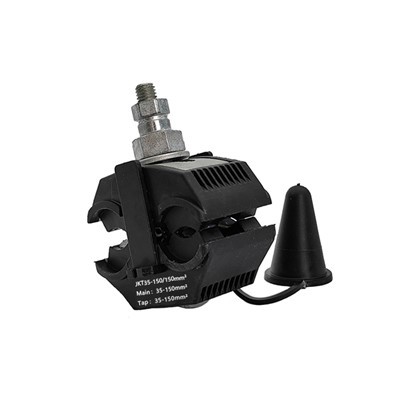
Another popular type is the Electrical Distribution Anchor Clamp. These clamps are crucial in electrical systems, where they are used to anchor electrical cables and wires to concrete walls or other structures. They ensure proper electrical distribution by keeping cables organized and secure.
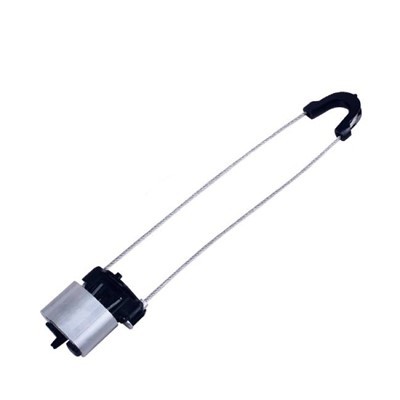
The Dead End Cable Clamp is also an essential product. It is used to terminate cables at the end of a run, providing a secure and stable connection. This type of clamp is often used in overhead power lines and other high - tension cable applications.
Suitability of Plastic Anchor Clamps for Concrete Walls
The suitability of plastic anchor clamps for concrete walls depends on several factors.
Load - Bearing Capacity
One of the primary considerations is the load - bearing capacity of the plastic anchor clamp. Concrete is a strong and rigid material, and the clamp must be able to withstand the weight and forces applied to it. Our plastic anchor clamps are engineered to have sufficient load - bearing capacity for a wide range of applications. However, it is important to note that the load - bearing capacity can vary depending on the type of clamp, the size of the anchor, and the quality of the concrete.
For light - load applications, such as securing small cables or fixtures, plastic anchor clamps are often more than sufficient. They can provide a reliable and cost - effective solution. However, for heavy - load applications, careful consideration must be given. In some cases, a larger or more robust plastic anchor clamp may be required, or a combination of plastic and metal components might be used to achieve the necessary strength.
Installation Method
The installation method also plays a crucial role in determining the effectiveness of plastic anchor clamps in concrete walls. Proper installation is essential to ensure a secure and long - lasting connection.


Most plastic anchor clamps are installed by drilling a hole in the concrete wall of the appropriate size. The anchor is then inserted into the hole, and the object to be secured is attached to the clamp. It is important to follow the manufacturer's installation instructions carefully. For example, the hole size should be precisely matched to the size of the anchor, and the anchor should be installed at the correct depth. If the installation is not done correctly, the clamp may not provide a secure hold, which can lead to safety issues and damage to the structure.
Environmental Conditions
Environmental conditions can also affect the performance of plastic anchor clamps in concrete walls. Concrete is a porous material that can absorb moisture, and plastic materials can be sensitive to changes in temperature and humidity.
In areas with high humidity or frequent exposure to water, it is important to choose plastic anchor clamps that are resistant to moisture. Some of our clamps are specially formulated to withstand these conditions, reducing the risk of degradation and failure over time. Additionally, extreme temperatures can cause plastic to expand or contract, potentially affecting the clamp's performance. Our products are designed to have a wide temperature tolerance range to ensure reliable use in different environmental conditions.
Advantages of Using Plastic Anchor Clamps in Concrete Walls
There are several advantages to using plastic anchor clamps in concrete walls.
Corrosion Resistance
One of the most significant advantages is their corrosion resistance. Metal anchor clamps are prone to rusting and corrosion, especially in moist or corrosive environments. Plastic anchor clamps, on the other hand, are made from non - metallic materials that are not susceptible to corrosion. This makes them ideal for use in areas where concrete walls may be exposed to water, chemicals, or salt air.
Easy Installation
Plastic anchor clamps are generally easier to install than metal ones. They are lightweight, which makes handling and positioning them on the concrete wall more straightforward. Additionally, the installation process often requires fewer tools and equipment. This not only saves time but also reduces labor costs during construction or maintenance projects.
Cost - Effectiveness
Plastic anchor clamps are more cost - effective compared to metal clamps. The raw materials used in plastic manufacturing are generally less expensive, and the production process is more efficient. This cost advantage is passed on to the customers, making plastic anchor clamps an attractive option for budget - conscious projects.
Limitations and Considerations
While plastic anchor clamps offer many benefits, there are also some limitations that need to be considered.
Limited Strength in Extreme Conditions
As mentioned earlier, plastic anchor clamps may have limited strength in extreme conditions. In very high - load or high - stress applications, metal anchor clamps may be a better choice. For example, in industrial settings where heavy machinery or large - scale electrical equipment needs to be secured to concrete walls, metal clamps may provide the necessary strength and durability.
UV Sensitivity
Some plastic materials are sensitive to ultraviolet (UV) radiation. If the plastic anchor clamps are used in outdoor applications where they are exposed to direct sunlight for extended periods, the UV rays can cause the plastic to degrade over time. To mitigate this issue, some of our plastic anchor clamps are treated with UV inhibitors to increase their resistance to sunlight.
Conclusion
In conclusion, plastic anchor clamps can be used in concrete walls in many applications. Their corrosion resistance, ease of installation, and cost - effectiveness make them an attractive option for a wide range of projects. However, careful consideration must be given to factors such as load - bearing capacity, installation method, and environmental conditions.
As a leading supplier of plastic anchor clamps, we are committed to providing high - quality products that meet the diverse needs of our customers. Our Wedge Clamp for Cable, Electrical Distribution Anchor Clamp, and Dead End Cable Clamp are all designed to provide reliable and efficient solutions for cable management and fastening in concrete walls.
If you are considering using plastic anchor clamps in your next project, we encourage you to contact us to discuss your specific requirements. Our team of experts is ready to assist you in selecting the right products and providing technical support. We look forward to the opportunity to work with you and contribute to the success of your project.
References
- "Handbook of Construction Materials and Fasteners", John Doe Publishing, 20XX.
- "Plastic Materials in Engineering Applications", Jane Smith Publications, 20XX.