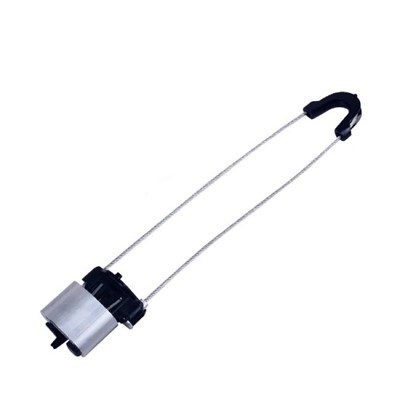

Hey there! As a supplier of Conductor Anchor Clamps, I often get asked whether these clamps can be used in high - voltage lines. Well, let's dive right into this topic and break it down.
First off, what are Conductor Anchor Clamps? They're essential components in electrical power systems. These clamps are designed to secure conductors in place, preventing them from moving due to various forces like wind, ice, and normal vibrations. In a nutshell, they play a crucial role in maintaining the stability of the power transmission lines.
Now, the big question: Can they be used in high - voltage lines? The answer is a resounding yes! But there are some important factors to consider.
Compatibility with High - Voltage Requirements
High - voltage lines operate under extreme conditions. The voltage levels are significantly higher compared to low - or medium - voltage lines. Conductor Anchor Clamps used in high - voltage applications need to have excellent electrical insulation properties. If the clamp doesn't insulate properly, it can lead to electrical leakage, which is not only a waste of energy but also a safety hazard.
For example, our Bolted Type Tension Clamp is specifically engineered to meet the high - voltage insulation requirements. It's made from high - quality materials that can withstand the high electrical stress without breaking down. This ensures that the power transmission remains efficient and safe.
Mechanical Strength
High - voltage lines are often exposed to harsh environmental conditions. Strong winds, heavy snow, and even seismic activities can put a lot of stress on the conductors and the clamps holding them. Conductor Anchor Clamps must have sufficient mechanical strength to withstand these forces.
Our Aluminum Dead End Clamp is a great example. It's made of high - strength aluminum alloy, which provides excellent corrosion resistance and mechanical durability. The design of the clamp is optimized to distribute the mechanical stress evenly across the conductor, reducing the risk of conductor breakage.
Thermal Performance
High - voltage lines carry a large amount of electrical current, which generates heat. The Conductor Anchor Clamps need to have good thermal performance to dissipate this heat effectively. If the clamps can't handle the heat, they can expand and lose their grip on the conductor, leading to loose connections and potential electrical failures.
Our Two Core Anchor Clamp is designed with thermal management in mind. The materials used in its construction have high thermal conductivity, allowing the heat to be transferred away from the clamp quickly. This helps to maintain the integrity of the connection and ensures the long - term reliability of the high - voltage line.
Installation and Maintenance
Another important aspect is the ease of installation and maintenance. In high - voltage line projects, time is of the essence. Complicated installation procedures can delay the project and increase costs. Our Conductor Anchor Clamps are designed for easy installation. They come with clear instructions and are user - friendly, even for workers with limited experience.
Maintenance is also crucial. Regular inspections and maintenance can prevent potential problems from occurring. Our clamps are designed to be easily accessible for inspection and replacement if necessary. This reduces the downtime of the high - voltage line and ensures continuous power supply.
Industry Standards and Certifications
When it comes to using Conductor Anchor Clamps in high - voltage lines, compliance with industry standards and certifications is a must. These standards ensure that the clamps meet the safety and performance requirements. Our products are rigorously tested and certified to meet international standards such as IEC, IEEE, and GB. This gives our customers the confidence that they're getting a high - quality product that's safe and reliable.
Cost - Effectiveness
In any project, cost is always a consideration. Our Conductor Anchor Clamps offer excellent value for money. They're priced competitively without compromising on quality. The long - term durability and reliability of our clamps mean that you'll save money on maintenance and replacement costs in the long run.


Case Studies
Let me share a few case studies to illustrate the effectiveness of our Conductor Anchor Clamps in high - voltage lines. In a large - scale high - voltage transmission project in a coastal area, our Bolted Type Tension Clamp was used. The area was prone to strong winds and salt - water corrosion. Despite these harsh conditions, the clamps performed exceptionally well. They maintained a secure grip on the conductors, and there were no reports of electrical failures or mechanical damage during the project's operation.
In another project in a mountainous region, our Aluminum Dead End Clamp was installed. The region experienced significant temperature variations and occasional seismic activities. The clamps withstood these challenges, ensuring the stable operation of the high - voltage line.
Conclusion
In conclusion, Conductor Anchor Clamps can definitely be used in high - voltage lines. However, it's crucial to choose the right clamps that meet the high - voltage requirements in terms of electrical insulation, mechanical strength, thermal performance, and other factors. As a supplier, we're committed to providing high - quality Conductor Anchor Clamps that are suitable for high - voltage applications.
If you're in the market for Conductor Anchor Clamps for your high - voltage line project, don't hesitate to get in touch with us. We'll be happy to discuss your specific needs and provide you with the best solutions.
References
- International Electrotechnical Commission (IEC) standards
- Institute of Electrical and Electronics Engineers (IEEE) standards
- Chinese National Standards (GB)