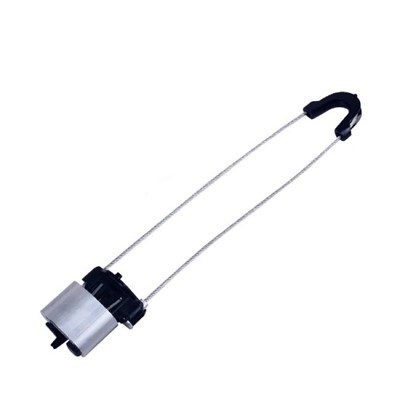

Hey there! As a supplier of Anchoring Tension Clamps, I often get asked if these clamps can be used in coastal areas. It's a valid question, considering the unique environmental conditions that coastal regions present. In this blog post, I'll share my insights on this topic based on my experience in the industry.
First off, let's understand what an Anchoring Tension Clamp is. These clamps are used to secure cables, wires, or ropes in place, providing tension and stability. They come in various types and sizes, like the Two Core Tension Clamp, 4 Core Dead End Clamp, and Wedge Clamp for Cable. Each type has its own specific applications and features, but they all serve the basic purpose of holding things together under tension.
Now, let's talk about the challenges of using Anchoring Tension Clamps in coastal areas. The most obvious issue is corrosion. Coastal environments are known for their high salt content in the air and water. Salt is a major enemy of metal, as it can cause rust and corrosion over time. If the clamps are made of metal, they're likely to deteriorate quickly in a coastal setting. This not only weakens the clamps but also poses a safety risk, as they may fail to hold the cables or wires properly.
Another challenge is the harsh weather conditions. Coastal areas often experience strong winds, heavy rain, and even storms. These weather events can put a lot of stress on the clamps. The strong winds can cause the cables to sway and vibrate, which may loosen the clamps. The heavy rain can also lead to water accumulation, further accelerating the corrosion process.
So, can Anchoring Tension Clamps be used in coastal areas? The answer is yes, but with some precautions.
Material selection is crucial. Instead of using regular metal clamps, it's better to choose clamps made of corrosion-resistant materials. Stainless steel is a popular choice, as it has a high resistance to rust and corrosion. There are also plastic clamps available, which are lightweight, non-conductive, and highly resistant to corrosion. These plastic clamps are a great option for coastal applications, especially for low-tension situations.
Proper installation is also important. When installing the clamps in a coastal area, make sure they're installed correctly and securely. Follow the manufacturer's instructions carefully, and use the appropriate tools. It's also a good idea to apply a protective coating to the clamps after installation. This can help to further prevent corrosion and extend the lifespan of the clamps.
Regular maintenance is necessary. In a coastal environment, it's essential to inspect the clamps regularly for signs of corrosion or damage. If any issues are found, they should be addressed immediately. This may involve replacing the damaged clamps or applying a new protective coating.
Let's take a look at some real-world examples. In a coastal power transmission project, the use of stainless steel Anchoring Tension Clamps has proven to be effective. These clamps have withstood the harsh coastal conditions for several years without significant corrosion or damage. In another case, plastic clamps were used in a coastal communication network. The plastic clamps were able to provide reliable support for the cables, even in the face of strong winds and heavy rain.
In addition to the above measures, it's also important to consider the specific requirements of the project. For high-tension applications, more robust clamps may be needed. For example, in a coastal bridge project, where the cables are under a lot of tension, heavy-duty stainless steel clamps may be the best choice. On the other hand, for a small-scale coastal lighting project, plastic clamps may be sufficient.
When it comes to choosing the right Anchoring Tension Clamps for coastal areas, it's always a good idea to consult with an expert. An experienced supplier can provide valuable advice based on the specific needs of the project. They can help you select the appropriate type and size of clamps, as well as provide guidance on installation and maintenance.
As a supplier of Anchoring Tension Clamps, I'm committed to providing high-quality products that are suitable for coastal applications. We offer a wide range of clamps made of different materials, including stainless steel and plastic. Our products are designed to meet the highest standards of quality and performance, and we're constantly working to improve our products to better meet the needs of our customers.
If you're in the market for Anchoring Tension Clamps for a coastal project, I encourage you to get in touch with us. We'd be happy to discuss your requirements and provide you with a customized solution. Whether you need a small quantity of clamps for a DIY project or a large order for a commercial project, we can help.
In conclusion, while using Anchoring Tension Clamps in coastal areas presents some challenges, it's definitely possible with the right approach. By choosing the right materials, installing the clamps correctly, and performing regular maintenance, you can ensure that the clamps will provide reliable support in a coastal environment. So, don't let the coastal conditions hold you back. Contact us today to find the perfect Anchoring Tension Clamps for your project.
References


- "Corrosion Prevention in Coastal Environments" - A technical report on corrosion prevention methods in coastal areas.
- "Guide to Selecting Anchoring Tension Clamps" - A guidebook provided by the industry association on choosing the right clamps for different applications.