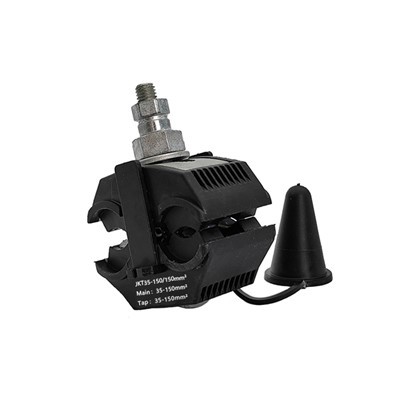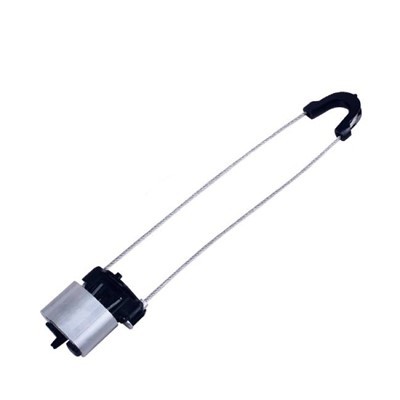

When it comes to electrical installations and cable connections, one question that often arises among electricians, engineers, and contractors is: Can a cable piercing connector be used for solid cables? As a supplier of high - quality cable piercing connectors, I am well - positioned to shed light on this topic.


Understanding Cable Piercing Connectors
Cable piercing connectors are designed to create a reliable electrical connection without the need for stripping the insulation of the cable. They work by piercing through the insulation of the cable and making contact with the conductive core. These connectors are popular due to their ease of installation, time - saving nature, and the ability to create a secure connection in various electrical setups. The main types of cable piercing connectors include Ipc Insulation Piercing Connector, Ipc Cable Connector, and Insulated Piercing Connector for Abc Cable.
Solid Cables: A Brief Introduction
Solid cables consist of a single, solid conductor surrounded by insulation. They are commonly used in applications where flexibility is not a primary requirement. Solid cables are often found in fixed wiring installations, such as in buildings, industrial facilities, and electrical panels. They offer low resistance, which is beneficial for efficient power transmission.
Compatibility of Cable Piercing Connectors with Solid Cables
The short answer is yes, cable piercing connectors can be used for solid cables. However, there are several factors to consider to ensure a successful and safe connection.
1. Cable Size
One of the most crucial factors is the size of the solid cable. Cable piercing connectors are designed to work within specific cable size ranges. It is essential to select a connector that is compatible with the diameter of the solid cable. Using a connector that is too small may not be able to pierce through the insulation effectively or make proper contact with the conductor. On the other hand, a connector that is too large may not provide a secure grip on the cable, leading to a loose connection and potential electrical problems.
2. Insulation Material
The type of insulation on the solid cable also matters. Different cable piercing connectors are designed to work with specific insulation materials, such as PVC, XLPE, or rubber. The piercing mechanism of the connector must be able to penetrate the insulation material without causing excessive damage. For example, some connectors are better suited for softer insulation materials, while others can handle more rigid ones. It is important to check the manufacturer's specifications to ensure that the connector is compatible with the insulation of the solid cable.
3. Electrical Rating
The electrical rating of the cable piercing connector must match the requirements of the solid cable and the electrical circuit. This includes factors such as voltage rating, current - carrying capacity, and short - circuit withstand capacity. Using a connector with a lower electrical rating than the cable can lead to overheating, insulation failure, and even electrical fires. Therefore, it is crucial to select a connector that can safely handle the electrical load of the solid cable.
Installation Process for Solid Cables with Cable Piercing Connectors
Installing a cable piercing connector on a solid cable is a relatively straightforward process, but it requires attention to detail to ensure a proper connection.
1. Preparation
First, make sure the solid cable is clean and free from any debris or contaminants. Check the cable for any damage to the insulation or conductor. Select the appropriate cable piercing connector based on the cable size, insulation material, and electrical rating.
2. Mounting the Connector
Place the cable piercing connector around the solid cable at the desired connection point. Align the piercing blades of the connector with the cable. Some connectors may require the use of a special tool to tighten or secure the connector onto the cable. Follow the manufacturer's instructions carefully during this step.
3. Piercing the Insulation
As the connector is tightened, the piercing blades will penetrate the insulation of the solid cable and make contact with the conductor. It is important to ensure that the blades have fully pierced through the insulation without causing undue damage to the conductor.
4. Testing
After installation, it is recommended to test the connection using appropriate electrical testing equipment. Check for continuity, resistance, and any signs of abnormal electrical behavior. This will help to ensure that the connection is secure and functioning properly.
Advantages of Using Cable Piercing Connectors for Solid Cables
There are several advantages to using cable piercing connectors for solid cables.
1. Time - Saving
One of the most significant advantages is the time saved during installation. Unlike traditional methods that require stripping the insulation of the cable, cable piercing connectors can be installed quickly and easily. This can be especially beneficial in large - scale electrical projects where time is of the essence.
2. Safety
Cable piercing connectors reduce the risk of electrical shock during installation as there is no need to expose the live conductor. The insulation remains intact around the cable, providing an additional layer of protection.
3. Reliability
When installed correctly, cable piercing connectors can provide a reliable and long - lasting connection. They are designed to maintain a stable electrical connection even in harsh environmental conditions.
Limitations and Considerations
While cable piercing connectors offer many benefits for solid cables, there are also some limitations and considerations.
1. Limited Reusability
Once a cable piercing connector has been installed on a solid cable, it may be difficult or even impossible to reuse it. The piercing action can damage the insulation and the connector itself, making it less effective for subsequent installations.
2. Environmental Conditions
In extremely harsh environmental conditions, such as high humidity or exposure to corrosive substances, the performance of cable piercing connectors may be affected. It is important to select connectors that are designed to withstand the specific environmental conditions of the installation site.
3. Initial Investment
Cable piercing connectors may have a higher initial cost compared to some traditional connection methods. However, the time and labor savings during installation can often offset this initial investment in the long run.
Conclusion
In conclusion, cable piercing connectors can indeed be used for solid cables, provided that the appropriate factors such as cable size, insulation material, and electrical rating are taken into account. They offer a convenient, time - saving, and reliable solution for connecting solid cables in various electrical applications. As a supplier of cable piercing connectors, I can provide you with high - quality products that meet your specific needs. If you are interested in purchasing cable piercing connectors for your solid cable installations, I encourage you to reach out to me for further information and to discuss your procurement requirements. We can work together to ensure that you get the right connectors for your projects and that your electrical connections are safe and reliable.
References
- Electrical Installation Handbook, Various Authors
- Cable Technology Manuals, Cable Manufacturers
- Standards and Guidelines for Electrical Connections, Electrical Industry Associations