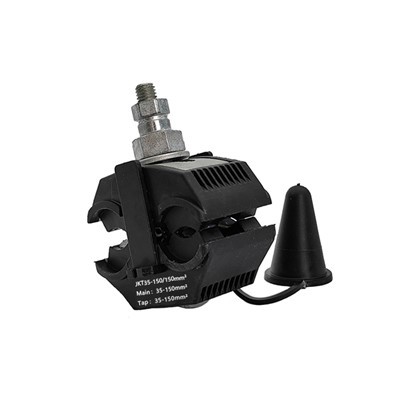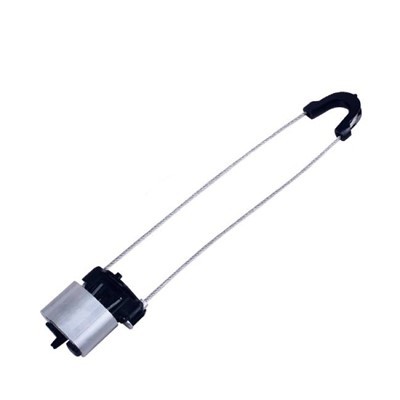

As a leading supplier of Bolted Type Tension Clamps, the question of their reusability often surfaces in my discussions with clients and industry peers. In this blog, I aim to delve into the scientific and practical aspects of whether Bolted Type Tension Clamps are reusable, providing a comprehensive understanding for anyone involved in the electrical and construction sectors.
Understanding Bolted Type Tension Clamps
Bolted Type Tension Clamps are crucial components in various industries, especially in electrical power transmission and distribution systems. These clamps are designed to securely hold conductors under tension, ensuring the stability and reliability of the entire system. The Bolted Type Tension Clamp is typically made of high - strength materials such as aluminum alloy, which offers excellent corrosion resistance and mechanical properties.
The design of bolted type tension clamps involves using bolts to create a tight grip on the conductor. This design allows for easy installation and adjustment, making it a popular choice in many applications. When installed correctly, these clamps can withstand significant tension forces, preventing the conductor from slipping or coming loose.


Factors Affecting Reusability
1. Material Integrity
The material of the Bolted Type Tension Clamp plays a vital role in determining its reusability. Aluminum alloy, which is commonly used in these clamps, is known for its durability and long - term performance. However, during the initial installation and use, the clamp may undergo stress and deformation. If the stress exceeds the material's yield strength, permanent deformation may occur, which can compromise the clamp's ability to be reused effectively.
For example, if a clamp has been subjected to extreme tension forces during its first application, the bolt holes may have enlarged or the clamping surface may have been distorted. In such cases, reusing the clamp may result in a less secure connection, increasing the risk of conductor movement and potential electrical faults.
2. Wear and Tear
Another important factor is wear and tear. Over time, the clamp may experience abrasion and corrosion, especially in harsh environmental conditions. The contact between the clamp and the conductor can cause friction, leading to the wearing down of the clamping surfaces. Corrosion, on the other hand, can weaken the material of the clamp, reducing its structural integrity.
If the wear and tear are significant, the clamp may no longer be able to provide the required clamping force. For instance, if the threads of the bolts have worn out, it will be difficult to tighten the clamp properly, and the connection may become loose.
3. Installation and Removal Process
The way the clamp is installed and removed can also impact its reusability. If the installation is done incorrectly, such as overtightening or undertightening the bolts, it can damage the clamp. Similarly, during the removal process, if excessive force is applied, it can cause cracks or other forms of damage to the clamp.
A careful and proper installation and removal procedure is essential to ensure that the clamp can be reused. For example, using the correct torque values when tightening the bolts can help prevent over - stressing the clamp and extend its usable life.
Testing for Reusability
Before deciding to reuse a Bolted Type Tension Clamp, it is essential to conduct a series of tests to assess its condition.
Visual Inspection
A thorough visual inspection is the first step. Check for any signs of damage, such as cracks, deformation, or corrosion. Look at the bolt holes, clamping surfaces, and the threads of the bolts. If there are any visible signs of significant damage, the clamp may not be suitable for reuse.
Dimensional Measurement
Measuring the dimensions of the clamp is also crucial. Compare the current dimensions with the original specifications. Any significant deviation in dimensions, such as an increase in the diameter of the bolt holes or a change in the shape of the clamping surface, may indicate that the clamp has been damaged and may not be reusable.
Clamping Force Test
Performing a clamping force test can help determine if the clamp can still provide the necessary grip on the conductor. Use a calibrated force - measuring device to measure the clamping force exerted by the clamp. If the clamping force is below the required value, the clamp may need to be replaced.
Cases Where Reusability is Feasible
In some cases, Bolted Type Tension Clamps can be reused with proper care and inspection.
Low - Stress Applications
If the clamp has been used in a low - stress application, where the tension forces are relatively small, and there is minimal wear and tear, it may be possible to reuse the clamp. For example, in a small - scale electrical installation or a temporary setup, the clamp may not have been subjected to extreme conditions, and with a proper inspection, it can be safely reused.
Short - Term Use
Clamps that have been used for a short period may also be candidates for reuse. If the environmental conditions were favorable and there are no visible signs of damage, the clamp can be inspected and reused after cleaning and lubricating the bolts.
Comparison with Other Clamp Types
It is also interesting to compare the reusability of Bolted Type Tension Clamps with other types of tension clamps, such as Aluminium Tension Clamp and Wedge Strain Clamp.
Aluminium Tension Clamps generally have similar reusability characteristics as Bolted Type Tension Clamps. However, some models may have different installation methods, which can affect their reusability. For example, some Aluminium Tension Clamps rely on a more complex locking mechanism, which may be more difficult to reuse if it has been damaged during use.
Wedge Strain Clamps, on the other hand, are designed with a wedge - shaped mechanism to grip the conductor. While they can be very effective in providing a strong grip, reusing them can be more challenging. The wedge mechanism may be difficult to disengage and re - engage without causing damage to the clamp or the conductor.
Conclusion
In conclusion, the reusability of Bolted Type Tension Clamps is not a straightforward yes or no answer. It depends on various factors such as material integrity, wear and tear, and the installation and removal process. With proper inspection and testing, it is possible to reuse these clamps in certain situations, especially in low - stress or short - term applications.
If you are considering the use of Bolted Type Tension Clamps for your projects, whether new or reused, I encourage you to engage in a detailed discussion with our team. We can provide you with expert advice on the best products for your specific needs and guide you through the process of inspecting and reusing clamps if applicable. Feel free to contact us for further information and to start a procurement discussion.
References
- Electrical Power Transmission Handbook, Second Edition
- Standards for Tension Clamps in Electrical Systems, International Electrotechnical Commission