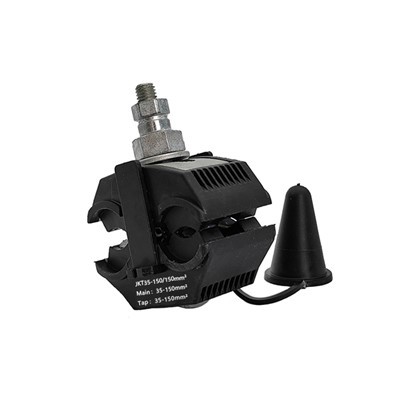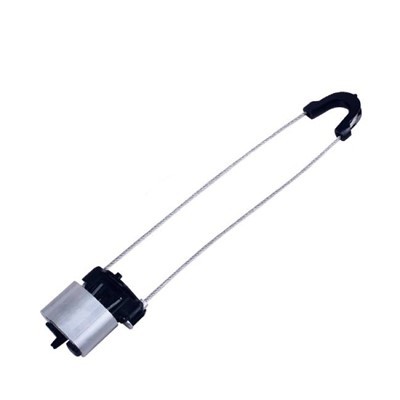

Hey there! As a supplier of Conductor Anchor Clamps, I often get asked about what materials these clamps are made of. Well, let's dive right into it and explore the different materials used in manufacturing these essential components in the electrical industry.
Aluminum Alloys
One of the most common materials for Conductor Anchor Clamps is aluminum alloys. Aluminum is a great choice for several reasons. First off, it's lightweight. This is a huge advantage when it comes to installation, especially in overhead power lines. You don't want to be lugging around heavy clamps all day, right? It makes the whole process a lot easier and more efficient.
Another plus is its corrosion resistance. Aluminum naturally forms a thin oxide layer on its surface, which protects it from rust and other forms of corrosion. This means the clamps can withstand different weather conditions, whether it's rain, snow, or extreme heat. They'll last a long time without deteriorating, which is crucial for the long - term stability of power transmission systems.
Aluminum alloys also have good electrical conductivity. Since these clamps are used to connect conductors in electrical circuits, they need to be able to carry electrical current effectively. The electrical conductivity of aluminum allows for minimal power loss during transmission, which is a big deal in the energy - conscious world we live in.
We offer a variety of products made from aluminum alloys, like the Two Core Aluminium Tension Clamp. This clamp is designed to handle the tension in two - core aluminum conductors, and its aluminum alloy construction ensures both durability and good electrical performance.
Steel
Steel is another material that's widely used in Conductor Anchor Clamps. Steel is known for its high strength. When you're dealing with high - tension applications, like in long - span power lines or in areas with strong winds, you need a clamp that can hold up under pressure. Steel clamps can provide the necessary strength to keep the conductors in place.
There are different types of steel used, such as carbon steel and stainless steel. Carbon steel is relatively inexpensive and has good mechanical properties. However, it's more prone to corrosion compared to stainless steel. Stainless steel, on the other hand, contains chromium, which gives it excellent corrosion resistance. It's a great choice for outdoor applications where the clamps will be exposed to moisture and other corrosive elements.
Our Bolt Type Dead End Clamp is available in steel versions. The steel construction provides the strength needed to anchor the conductors at the end of a line, ensuring a secure and reliable connection.
Copper
Copper is a material with extremely high electrical conductivity. In fact, it's one of the best conductors among common metals. When you need to minimize electrical resistance and maximize power transfer, copper clamps are a top choice. They're often used in high - performance electrical systems where every bit of efficiency matters.
However, copper is more expensive than aluminum and steel. It's also heavier, which can be a drawback in some applications. But for applications where electrical performance is the primary concern, the cost and weight are often worth it.
Composite Materials
In recent years, composite materials have started to gain popularity in the manufacturing of Conductor Anchor Clamps. Composite materials are made by combining two or more different materials to get the best properties of each. For example, a composite clamp might combine a polymer matrix with a reinforcing fiber, like glass fiber or carbon fiber.
These materials offer several advantages. They're lightweight, which is great for installation and reduces the load on the supporting structures. They also have good corrosion resistance, similar to aluminum and stainless steel. And in some cases, they can be designed to have specific mechanical and electrical properties to meet the requirements of different applications.
Our Bolted Strain Clamp is also available in composite versions. The composite construction provides a balance between strength, weight, and corrosion resistance, making it a versatile choice for various power transmission scenarios.
Choosing the Right Material
So, how do you choose the right material for your Conductor Anchor Clamps? Well, it depends on several factors. First, consider the application. If you're working on an overhead power line in a coastal area with high humidity and saltwater exposure, you'll probably want a clamp made of a corrosion - resistant material like stainless steel or aluminum alloy.
The electrical requirements are also important. If you need to minimize power loss, copper or a high - conductivity aluminum alloy might be the way to go. And if you're dealing with high - tension situations, a steel or composite clamp with high strength might be necessary.
Cost is another factor. You need to balance the performance of the clamp with your budget. Sometimes, a more expensive material might offer better long - term performance, but if you're on a tight budget, you might have to look for a more cost - effective option.
Conclusion
As you can see, there are several materials used in the manufacturing of Conductor Anchor Clamps, each with its own set of advantages and disadvantages. Whether it's aluminum alloys for their lightweight and corrosion resistance, steel for its strength, copper for its high electrical conductivity, or composite materials for their versatility, there's a material out there to suit every need.


If you're in the market for Conductor Anchor Clamps, I'd love to help you find the right product for your specific requirements. We have a wide range of clamps made from different materials, and our team of experts can provide you with all the information you need to make an informed decision. Don't hesitate to reach out for more details and to start a purchase negotiation.
References
- Electrical Power Transmission System Engineering: Analysis and Design by Turan Gonen
- Handbook of Electrical Engineering Materials by S. K. Bhattacharya