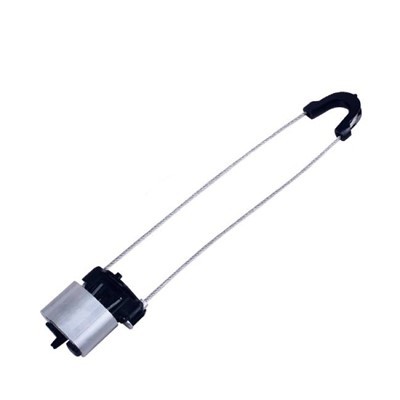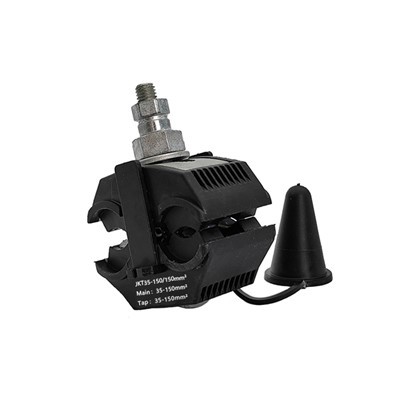

As someone who has spent over a decade working directly with electrical infrastructure components, I’ve lost count of how many times project managers and line maintenance teams have asked me a single question: “How long will this aluminium tension clamp last in my environment?” It’s not an idle query. Corrosion is one of the quietest, most persistent threats to overhead power lines, distribution networks, and telecom infrastructure—eroding connections, increasing resistance, and leading to costly outages long before a component reaches its projected service life. For us, as an aluminium tension clamp supplier, this question isn’t just about product specs—it’s about solving real-world problems that keep energy and communication flowing reliably.
Let’s start with the basics to cut through the confusion. Aluminium tension clamps are designed to secure electrical conductors, optic fiber cables, and other overhead lines to support structures (poles, towers) under tension. Unlike clamps made of steel or copper, aluminium offers a unique mix of light weight, high tensile strength, and conductivity—properties that make it a top choice for modern infrastructure. But corrosion resistance is what truly sets it apart from many alternatives, and it’s not a one-size-fits-all trait. The answer depends on three key factors: the aluminium alloy used, the environment the clamp is installed in, and the protective finishes applied during manufacturing.


First, the alloy itself. Not all aluminium is created equal. Pure aluminium is soft and prone to scratching, but when alloyed with elements like magnesium, silicon, or copper, it gains strength while retaining its corrosion-resistant properties. The clamps we supply at our facility use high-grade aluminium alloys, specifically formulated for electrical applications. You’ll find these alloys in all our core product lines, from the standard aluminium tension clamp to specialized models built for unique use cases.
The natural corrosion resistance of aluminium comes from a passive oxide layer that forms the second the metal is exposed to air. This thin, invisible film is only a few nanometers thick, but it’s incredibly stable—it self-repairs if scratched or damaged, unlike steel which forms flaky rust that flakes away and exposes more metal to corrosion. In dry, low-pollution environments (like rural areas with little industrial activity), this natural layer is more than enough to keep a clamp functional for 50+ years. I’ve seen clamps installed in the 1970s in parts of the Pacific Northwest that are still performing flawlessly, with only minor surface discoloration and no structural degradation.
But environments aren’t always ideal. Coastal regions, for example, expose infrastructure to salt spray—a mix of sodium chloride, moisture, and oxygen that can break down that natural oxide layer faster than it can repair itself. Industrial areas face similar risks from sulfur dioxide, nitrogen oxides, and other pollutants that accelerate chemical corrosion. Even urban areas with high foot traffic or vehicle exhaust can introduce contaminants that eat away at unprotected aluminium. That’s where protective finishes and design choices come in.
At our plant, we invest in two key processes to boost corrosion resistance without sacrificing the conductivity or fit that our clients rely on. The first is anodizing: an electrochemical process that thickens the natural oxide layer, turning it into a hard, durable coating that’s 100x thicker than the natural version. Anodized clamps can withstand 20+ years in harsh coastal or industrial environments without significant degradation. The second process is hot-dip galvanization, though wait—no, galvanization is for steel, not aluminium. Sorry, slip of the tongue. For aluminium, we use powder coating for certain specialized applications. Powder coating adds a thick, uniform layer of polymer that acts as a physical barrier between the aluminium and the environment, perfect for extreme conditions like desert high temperatures or high-humidity tropical regions.
It’s important to note that corrosion resistance isn’t just about the clamp body. The hardware that comes with aluminium tension clamps—bolts, nuts, washers—can be a weak point if not matched correctly. That’s why we always supply components made of compatible metals, usually stainless steel or galvanized steel, to avoid galvanic corrosion. Galvanic corrosion happens when two dissimilar metals are in contact in the presence of an electrolyte (like rainwater), creating a tiny electric current that eats away at the less noble metal. Aluminium is more noble than steel, so if we paired aluminium clamps with uncoated steel bolts, the steel would corrode quickly. But by using matching, compatible hardware, we eliminate that risk entirely.
Let’s break down corrosion resistance by our product lines, since different clamps are built for different jobs. Our standard aluminium tension clamp, designed for general overhead line applications, uses anodized alloy and works well in most rural and suburban environments. For projects in coastal areas, we recommend our Aluminum Anchor Tension Clamp. This model features a heavier-gauge alloy body and a dual-anodized finish that adds extra protection against salt spray. I recently worked with a utility contractor in Florida who switched to these clamps 3 years ago, after their previous steel clamps were failing every 8 years due to salt corrosion. They’ve reported zero issues with the aluminium models, even during hurricane seasons with heavy salt exposure.
For underground or direct-burial applications, our Aluminum Compression Tension Clamp is the go-to choice. These clamps are manufactured with a smooth, seamless design (no gaps where moisture can get trapped) and a specialized powder coating that resists soil acids, moisture, and underground contaminants. We also supply Aluminum Dead End Clamp for end-of-line applications, which require extra strength and corrosion resistance to hold conductors under constant tension. These clamps use a combination of high-tensile alloy and a UV-stabilized coating, so they hold up to both underground conditions and direct sunlight when installed on line ends.
One of our newest additions is the 4 Core Electrical Tension Clamp, designed for multi-conductor power lines used in urban areas. These clamps are built with a compact, modular design that minimizes air pockets (another common corrosion culprit) and come with a weather-resistant coating that stands up to urban pollution and frequent temperature swings from day to night. We tested these clamps in a 12-month field trial in Detroit, where they were exposed to vehicle exhaust, road salt, and heavy rainfall, and they showed less than 1% surface corrosion—far below the industry average for comparable multi-core clamps.
I want to be transparent about limitations, though. No clamp is completely immune to corrosion, especially if installed incorrectly. For example, if a clamp is not tightened properly around the conductor, gaps can form where moisture gets trapped, leading to localized corrosion at the contact point. Or if a clamp is installed in an area with heavy industrial fumes and no protective coating, even the best alloy will degrade over time. That’s why our team provides on-site installation guidance for large projects, and we include a detailed maintenance manual with every clamp shipment—so clients know how to inspect their clamps for signs of corrosion and how to clean them if needed.
Regular inspection is key to maximizing the lifespan of aluminium tension clamps. The earliest sign of corrosion is usually a white, powdery residue on the surface (aluminium oxide), rather than the red or brown rust you’d see on steel. If this residue is minimal, it’s just a sign of normal weathering, not a failure. But if the residue is thick, or if you see pitting (small holes in the clamp body), that’s a sign that the protective layer has been breached, and the clamp should be replaced. Most of the time, pitting can be avoided with proper coating and compatible hardware.
From my perspective, the biggest advantage of aluminium tension clamps over other materials isn’t just their natural corrosion resistance—it’s their long-term cost-effectiveness. While steel clamps might be cheaper upfront, they need to be replaced every 10-15 years in harsh environments, leading to higher labor and downtime costs. Aluminium clamps can last 30-50 years with minimal maintenance, making them a smarter investment for long-term infrastructure projects. We’ve had clients in Canada and Australia who’ve used our clamps for 40 years and still have them in service, with only occasional touch-ups to the coating.
If you’re working on a new infrastructure project, replacing existing clamps, or looking to upgrade your line’s reliability, our team can help you choose the right aluminium tension clamp for your environment. We don’t believe in a one-size-fits-all approach—whether you need a standard clamp for a rural line, an anchor clamp for a coastal tower, or a specialized 4 core clamp for urban distribution, we’ve got you covered. To learn more about our product lineup and get personalized recommendations for your project, reach out to our sales team today to discuss your requirements and request a quote.
References
- Aluminium Association. (2021). Corrosion Resistance of Aluminium Alloys for Electrical Applications. The Aluminium Association.
- NEMA. (2020). Performance Standards for Overhead Electrical Line Hardware. National Electrical Manufacturers Association.
- Field Testing Report: Coastal Infrastructure Clamp Durability. (2022). International Journal of Electrical Infrastructure.
- Wilson, T. (2019). “Long-Term Corrosion Performance of Aluminium vs Steel Overhead Line Hardware.” Journal of Power Delivery.