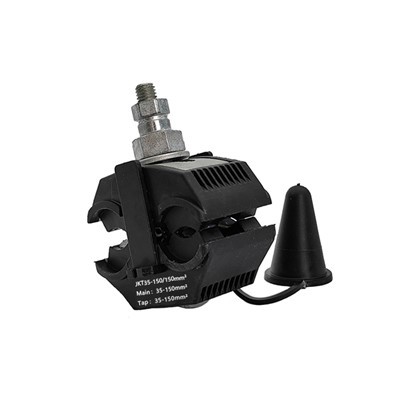
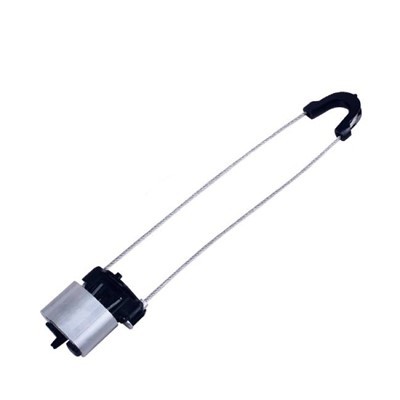
In the electrical power transmission and distribution systems, aluminum strain clamps play a crucial role in securing conductors and ensuring the stability and safety of the entire network. As a dedicated aluminum strain clamp supplier, I understand the significance of optimizing the design of these clamps to meet the ever - evolving demands of the industry. In this blog, I will share some key aspects and strategies on how to optimize the design of an aluminum strain clamp.
1. Material Selection and Quality Control
The choice of materials is fundamental to the performance of an aluminum strain clamp. High - quality aluminum alloys are commonly used due to their excellent electrical conductivity, corrosion resistance, and relatively low weight. When selecting aluminum alloys, we need to consider factors such as the mechanical properties, including tensile strength, yield strength, and elongation.
For instance, an alloy with high tensile strength can withstand greater pulling forces without deformation, which is essential for strain clamps used in long - span power transmission lines. At the same time, good corrosion resistance ensures the long - term durability of the clamp, especially in harsh environmental conditions such as coastal areas or industrial regions with high levels of pollution.
As a supplier, we implement strict quality control measures during the material procurement process. We source materials from reliable suppliers and conduct comprehensive testing, including chemical composition analysis and mechanical property testing. This helps us ensure that the materials used in our aluminum strain clamps meet the required standards and specifications.
2. Structural Design Optimization
2.1. Clamping Mechanism
The clamping mechanism is the core part of an aluminum strain clamp. A well - designed clamping mechanism should be able to firmly grip the conductor without causing damage to it. One common design is the bolted clamping mechanism, such as the Bolted Strain Clamp. By tightening the bolts, the clamping force is evenly distributed around the conductor, ensuring a reliable connection.
Another important aspect is the shape of the clamping surface. A serrated or grooved clamping surface can increase the friction between the clamp and the conductor, enhancing the clamping effect. However, the depth and pitch of the serrations need to be carefully designed to avoid cutting into the conductor.
2.2. Stress Distribution
During the operation of the power system, the aluminum strain clamp is subjected to various forces, including tension, bending, and vibration. Therefore, it is necessary to optimize the structural design to ensure uniform stress distribution. For example, the use of fillets and smooth transitions in the clamp structure can reduce stress concentration points, which helps prevent fatigue cracking and failure of the clamp.
Finite element analysis (FEA) is a powerful tool in stress analysis. By using FEA software, we can simulate the stress distribution of the clamp under different working conditions and make necessary adjustments to the design. This allows us to optimize the shape and thickness of different parts of the clamp to improve its overall strength and reliability.
3. Compatibility with Conductors
Aluminum strain clamps need to be compatible with different types of conductors, including single - core, multi - core, and stranded conductors. For example, the Two Core Aluminium Tension Clamp is specifically designed for two - core conductors.
When designing the clamp, we need to consider the diameter, cross - sectional area, and material of the conductor. The inner diameter of the clamp should match the outer diameter of the conductor to ensure a proper fit. In addition, the clamp should be able to accommodate the expansion and contraction of the conductor due to temperature changes without losing its clamping force.


4. Environmental Adaptability
4.1. Temperature Resistance
Power systems operate in a wide range of temperatures. Aluminum strain clamps need to maintain their mechanical and electrical properties within the specified temperature range. In high - temperature environments, the material of the clamp should not soften or lose its strength, while in low - temperature environments, it should not become brittle.
We conduct temperature - cycling tests on our aluminum strain clamps to evaluate their performance under different temperature conditions. Based on the test results, we can select appropriate materials and adjust the design to improve the temperature resistance of the clamp.
4.2. Corrosion Resistance
As mentioned earlier, corrosion is a major threat to the long - term performance of aluminum strain clamps. In addition to using corrosion - resistant materials, we can also apply surface treatment techniques such as anodizing or powder coating. Anodizing forms a protective oxide layer on the surface of the aluminum, which can significantly improve its corrosion resistance. Powder coating provides an additional layer of protection and can also enhance the appearance of the clamp.
5. Ease of Installation and Maintenance
The design of an aluminum strain clamp should also consider the ease of installation and maintenance. A complex and difficult - to - install clamp can increase the installation time and cost, while also increasing the risk of incorrect installation.
We design our clamps with simple and intuitive installation procedures. For example, the use of standardized components and clear installation instructions can help installers quickly and correctly install the clamp. In addition, the clamp should be easy to access and maintain. For example, the bolts and other fasteners should be easy to tighten and loosen for inspection and replacement.
6. Cost - Effectiveness
While optimizing the design of aluminum strain clamps, cost - effectiveness is also an important consideration. We need to balance the performance requirements and the cost of production. By using advanced manufacturing techniques, such as precision casting and machining, we can improve the production efficiency and reduce the cost of production.
In addition, we can optimize the design to reduce the amount of material used without sacrificing the performance of the clamp. For example, by using lightweight but strong materials and optimizing the structural design, we can achieve a more cost - effective solution.
In conclusion, optimizing the design of an aluminum strain clamp requires a comprehensive consideration of multiple factors, including material selection, structural design, compatibility with conductors, environmental adaptability, ease of installation and maintenance, and cost - effectiveness. As a professional aluminum strain clamp supplier, we are committed to continuously improving our design and manufacturing processes to provide high - quality, reliable, and cost - effective products to our customers.
If you are interested in our aluminum strain clamps or have any questions about the design and application of these products, please feel free to contact us for further discussion and procurement negotiation. We look forward to establishing long - term and mutually beneficial partnerships with you.
References
- Electrical Power Transmission System Design Handbook
- Aluminum Alloy Materials and Their Applications in Electrical Engineering