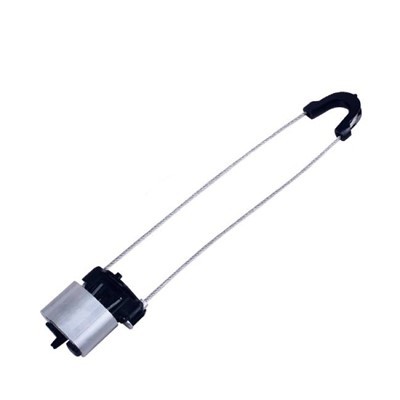

Hey there! As a supplier of ADSS Tension Clamp, I've seen firsthand how crucial it is to get the tension of these clamps just right. In this blog, I'll share some tips on how to adjust the tension of an ADSS Tension Clamp, so you can ensure a secure and reliable installation.
Understanding the Basics
First things first, let's talk about what an ADSS Tension Clamp is and why it's important. ADSS, or All-Dielectric Self-Supporting, cables are commonly used in telecommunications and power distribution systems. These cables are designed to be self-supporting, which means they don't require a separate messenger wire. The ADSS Tension Clamp is used to secure the cable to the supporting structure, such as a pole or tower, and to maintain the proper tension in the cable.
The tension of the ADSS cable is critical for its performance and longevity. If the tension is too low, the cable may sag, which can lead to excessive stress on the cable and increase the risk of damage. On the other hand, if the tension is too high, the cable may be overstretched, which can also cause damage and reduce its lifespan. Therefore, it's essential to adjust the tension of the ADSS Tension Clamp correctly to ensure the cable is properly supported and tensioned.
Tools and Materials
Before you start adjusting the tension of the ADSS Tension Clamp, you'll need to gather the necessary tools and materials. Here's a list of what you'll need:
- Tensioning device: This can be a manual or hydraulic tensioner, depending on the size and type of the ADSS cable.
- Torque wrench: This is used to tighten the bolts on the tension clamp to the specified torque.
- Measuring tape: This is used to measure the sag of the cable and ensure it's within the acceptable range.
- Safety equipment: This includes gloves, safety glasses, and a hard hat to protect you from any potential hazards.
Step-by-Step Guide
Now that you have the necessary tools and materials, let's walk through the steps to adjust the tension of an ADSS Tension Clamp:
Step 1: Inspect the Cable and Clamp
Before you start adjusting the tension, it's important to inspect the ADSS cable and the tension clamp for any signs of damage or wear. Look for any cuts, abrasions, or kinks in the cable, as well as any loose or damaged bolts on the tension clamp. If you notice any issues, you'll need to address them before proceeding with the tension adjustment.
Step 2: Determine the Target Tension
The target tension for the ADSS cable will depend on several factors, including the cable type, span length, and environmental conditions. You can find the recommended tension values in the cable manufacturer's specifications or consult with a professional engineer. Once you've determined the target tension, you'll need to set the tensioning device to the appropriate value.
Step 3: Install the Tensioning Device
Next, you'll need to install the tensioning device on the ADSS cable. This typically involves attaching the tensioner to the cable using a specialized fitting or clamp. Make sure the tensioner is securely attached to the cable and that it's aligned properly with the tension clamp.
Step 4: Apply Tension to the Cable
Once the tensioning device is installed, you can start applying tension to the cable. Slowly increase the tension using the tensioning device, while monitoring the sag of the cable using the measuring tape. The sag of the cable should be within the acceptable range specified by the cable manufacturer. If the sag is too high, you'll need to increase the tension further. If the sag is too low, you'll need to reduce the tension.
Step 5: Tighten the Bolts on the Tension Clamp
Once the cable is at the target tension, you'll need to tighten the bolts on the tension clamp to the specified torque using the torque wrench. Make sure the bolts are tightened evenly to ensure a secure and uniform grip on the cable.
Step 6: Recheck the Tension and Sag
After tightening the bolts on the tension clamp, you'll need to recheck the tension and sag of the cable to make sure they're still within the acceptable range. If necessary, you can make minor adjustments to the tension using the tensioning device.
Step 7: Secure the Tensioning Device
Once you're satisfied with the tension and sag of the cable, you can secure the tensioning device in place. This typically involves locking the tensioner or removing it from the cable. Make sure the tensioning device is stored safely and that it's ready for future use.
Tips and Tricks
Here are some additional tips and tricks to help you adjust the tension of an ADSS Tension Clamp effectively:
- Use a tensioning device with a built-in load cell: This will allow you to accurately measure the tension in the cable and ensure it's within the acceptable range.
- Work in pairs: Adjusting the tension of an ADSS cable can be a challenging and dangerous task, especially if you're working alone. It's recommended to work in pairs to ensure your safety and to make the process easier.
- Follow the manufacturer's instructions: Make sure you read and follow the manufacturer's instructions carefully when using the tensioning device and the tension clamp. This will help you avoid any potential mistakes or accidents.
- Inspect the cable regularly: Once the ADSS cable is installed and tensioned, it's important to inspect it regularly for any signs of damage or wear. This will help you identify any issues early on and take appropriate action to prevent further damage.
Conclusion
Adjusting the tension of an ADSS Tension Clamp is a critical step in the installation and maintenance of ADSS cables. By following the steps outlined in this blog and using the right tools and materials, you can ensure the cable is properly supported and tensioned, which will help to improve its performance and longevity.
If you're in the market for high-quality ADSS Tension Clamps, 4 Core Dead End Clamps, or Anchor Clamps for ADSS Cables, look no further. We're a leading supplier of these products, and we're committed to providing our customers with the best quality and service. If you have any questions or would like to discuss your specific requirements, please don't hesitate to contact us. We'd be happy to help you find the right solution for your needs.


References
- Cable Manufacturer's Specifications
- Industry Standards and Guidelines