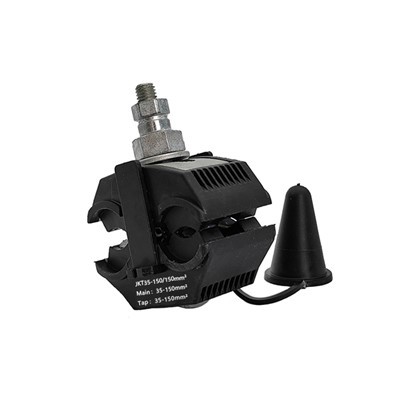
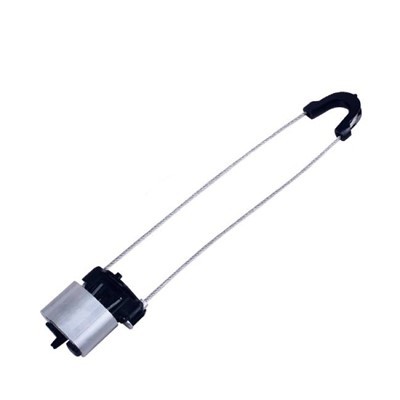
When it comes to installing a Bolt Type Dead End Clamp, ensuring the correct installation torque is of paramount importance. As a reliable Bolt Type Dead End Clamp supplier, we understand the intricacies involved in this process and are committed to providing you with the knowledge and guidance needed to achieve optimal results.
Understanding the Significance of Correct Installation Torque
The installation torque of a Bolt Type Dead End Clamp plays a crucial role in its performance and longevity. If the torque is too low, the clamp may not provide sufficient grip, leading to loose connections that can result in electrical arcing, overheating, and even mechanical failure. On the other hand, excessive torque can cause damage to the clamp, the cable, or the supporting structure. It can also lead to premature wear and tear, reducing the overall lifespan of the clamp.
Factors Affecting Installation Torque
Several factors can influence the correct installation torque for a Bolt Type Dead End Clamp. These include:
- Cable Size: The size and type of cable being clamped are significant factors. Larger cables typically require higher torque to ensure a secure connection.
- Clamp Material: The material of the clamp itself affects the torque requirements. Different materials have different mechanical properties, such as hardness and elasticity, which can impact the amount of torque needed.
- Environmental Conditions: Extreme temperatures, humidity, and exposure to chemicals or other corrosive substances can affect the performance of the clamp and alter the torque requirements.
- Application Requirements: The specific application of the clamp, such as the voltage level, current capacity, and mechanical stress, will also influence the appropriate torque.
Steps to Ensure Correct Installation Torque
To ensure the correct installation torque of a Bolt Type Dead End Clamp, follow these steps:
- Read the Manufacturer's Instructions: Always refer to the manufacturer's installation instructions provided with the clamp. These instructions will specify the recommended torque values based on the cable size, clamp type, and other relevant factors.
- Use the Right Tools: Use a calibrated torque wrench to apply the torque accurately. A torque wrench ensures that the specified torque is applied consistently, preventing over - or under - tightening.
- Prepare the Cable and Clamp: Before installation, ensure that the cable is clean and free of any debris, corrosion, or damage. Also, check the clamp for any defects or signs of wear.
- Position the Clamp Correctly: Place the clamp on the cable in the correct position according to the design requirements. Make sure the clamp is aligned properly and that all the bolts are inserted and tightened evenly.
- Apply the Torque in Stages: It is often recommended to apply the torque in stages. Start by tightening the bolts to a fraction of the final torque value, then go around the clamp again and increase the torque incrementally until the final value is reached. This helps to ensure uniform clamping force.
- Check for Proper Installation: After applying the torque, visually inspect the installation to ensure that the clamp is firmly attached to the cable and that there are no signs of damage or misalignment. You can also perform a simple pull - test to verify the integrity of the connection.
Our Product Range and Their Torque Considerations
As a Bolt Type Dead End Clamp supplier, we offer a wide range of products to meet different customer needs. Our Two Core Anchor Clamp is designed for specific applications where two cables need to be terminated securely. The installation torque for this clamp is carefully determined based on the cable size and the material used in its construction.
Similarly, our Industrial Cable Anchor Clamp is built to withstand the rigors of industrial environments. The torque requirements for this clamp take into account the high - stress conditions and the large - size cables typically used in industrial settings.
Our Aluminum Alloy Cable Anchor Clamp combines the benefits of aluminum alloy, such as light weight and corrosion resistance, with excellent gripping power. The installation torque for this clamp is optimized to ensure a reliable connection while maintaining the integrity of the aluminum alloy material.


Importance of Quality Control
At our company, we implement strict quality control measures to ensure that our Bolt Type Dead End Clamps meet the highest standards. Our products are manufactured using high - quality materials and advanced production techniques. We also conduct thorough testing on each clamp to verify its performance, including torque testing to ensure that the recommended torque values are accurate and consistent.
Training and Support
We understand that proper installation is crucial for the performance of our products. That's why we offer comprehensive training and support to our customers. Our technical experts can provide on - site training, installation guides, and troubleshooting assistance to ensure that you can install our Bolt Type Dead End Clamps correctly and safely.
Conclusion
Ensuring the correct installation torque of a Bolt Type Dead End Clamp is essential for its safe and reliable operation. By following the manufacturer's instructions, using the right tools, and considering the various factors that affect torque, you can achieve a secure and long - lasting connection. As a leading Bolt Type Dead End Clamp supplier, we are dedicated to providing you with high - quality products and the support you need to ensure successful installations.
If you are in the market for Bolt Type Dead End Clamps or have any questions about installation torque, we encourage you to contact us for a detailed consultation. Our team of experts is ready to assist you in finding the right solutions for your specific needs.
References
- Electrical Installation Handbook, Schneider Electric.
- Industrial Cable Installation Guide, Cable Manufacturers Association.
- Standards for Mechanical Connectors in Electrical Systems, International Electrotechnical Commission (IEC).